 />
/>


09/04/2026
Discover refined business travel in Vietnam with helicopter scenic flights, seaplane transfers, luxury resorts,...
Vietnam offers travelers a wide variety of landscapes to explore, from idyllic beaches to verdant rice terraces. Every region has its own draws and climate, so the best time to visit is largely determined by your desired itinerary. The peak and least-busy months depend on whether you’re heading to northern destinations like the capital city, Hanoi, or southern islands like Phu Quoc, but here’s a general breakdown of the main tourist seasons:
To help you make the most of your trip, we asked Vietnam hospitality experts for their insights on the best times to travel according to region and popular activities.
Here’s what you need to know about the best and worst times to visit Vietnam, depending on where you want to go and what you want to do.

The best time to visit Vietnam is during the dry season. The climate varies by region, but for a full-country tour from Ho Chi Minh City to Hanoi, late February to early March is a good bet. Be sure to arrive after the Lunar New Year celebrations, when many attractions are closed, and you should catch the tail end of the high season’s good weather. The north may still be a bit chilly in February (with average temperatures between the low 40s and mid-60s in Sa Pa, for example), so consider saving this region for the end of the trip. If you’re looking to snag deals on flights and accommodations, travel in the spring or fall shoulder months, before or after the monsoon season.
The high season in Vietnam varies according to the region, so you’ll always be able to find a place that feels more secluded from the bustle of crowded beaches or cruise ships. Matthews says there are fewer visitors in the wet season, which falls from May to October in the north, September to May in the central part of the country, and May to September in the south.
Visiting during the rainy season has plenty of perks, as you’ll likely be able to save on accommodations and travel costs. Popular restaurants and attractions will be less overrun with tourists, offering a rare opportunity to better immerse yourself in the local culture as you tuck into bun cha (Vietnamese meatballs) on a sidewalk stool. However, bursts of rain and cloudy weather can dampen any plans to hike in Sa Pa or cruise along Ha Long Bay—two quintessential experiences you won’t want to miss.
Many places remain less crowded throughout the year, says Kreuz. He points out that while many visitors tend to prioritize attractions as they make their way south, natural wonders in the north—such as Ban Gioc Waterfall and the network of caves in Quang Binh—remain less busy.

No matter when you visit Vietnam, you can find good weather somewhere. “As the climate varies so much from north to south, there will always be somewhere worth going in Vietnam, whatever time of year you travel,” says Matthews. “February and March are the best months to see the entire country from north to south in relatively dry weather,” she says.
Just be aware that Tet, the Vietnamese Lunar New Year, falls within this good-weather season and typically lasts for about a week. “During this time, most of the key sights in the cities are closed, as everyone goes back to their family villages to celebrate,” Matthews says. She recommends heading to the beach during the festival and bookending your trip with time in the major cities.
For those hoping to see Hanoi, Ho Chi Minh City, and everything in between, it’s best to go in the dry season. For a dry and temperate trip to Sa Pa or Hanoi in the north, head there from September to November, or in March and April, she suggests. A beach visit to Hoi An or Nha Trang in the central region is best from April to August, while the Mekong Delta and Phu Quoc Island in the south are warmest from October to April.
Vietnam is a relatively affordable destination all year long, with abundant and economical street food and comfortable hotels for all budgets. For your best chance at scoring low-cost flights and accommodations, consider traveling outside the peak tourist season. April, May, October, and November are excellent times, as you’ll still find warm weather throughout the country but fewer tourists to contend with.

A visit to the verdant terraced rice fields of Sa Pa is a must for nature lovers and adventure enthusiasts alike. Overlooking the Muong Hoa Valley, these hills are home to dozens of communities, including the Hmong and Red Dao peoples, involved in local tourism. Many open their doors for overnight stays and lead private or group trekking tours. You can reach this famed hiking destination by car from Hanoi in five hours, by bus in six to eight hours, or on an overnight sleeper train.
Matthews notes that this region tends to get colder from December to February, so it’s best to plan a trip between September and November or March and April. Harvest season is also an unforgettable time to visit—from late August through September, the vibrant green hillsides turn a majestic shade of gold as the rice ripens.

With its emerald waters and limestone towers, Ha Long Bay is one of the primary tourist destinations in Vietnam. The UNESCO World Heritage site has become increasingly overrun with cruise operators leading day tours. For a less crowded experience, consider booking an overnight cruise that will take you deeper into the bay, or to the equally beautiful—yet slightly less populated—neighboring Lan Ha Bay.
March, April, October, and November are ideal months to visit, as they tend to bring warm and sunny weather without as much humidity. You’ll also avoid the peak season, so while it’s still bound to be busy, you can enjoy snorkeling, diving, or kayaking through the tranquil waters and hiking Cat Ba National Park in relative peace.
Source: https://www.travelandleisure.com
Discover refined business travel in Vietnam with helicopter scenic flights, seaplane transfers, luxury resorts,...
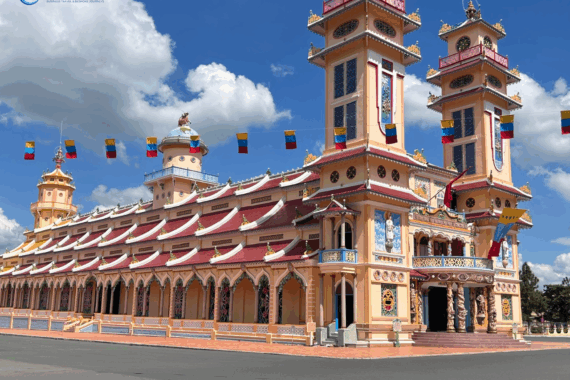
Escape the bustle of Saigon. Discover the vibrant Cao Dai Holy See and the...

The Vietnam 2026 holiday calendar offers endless opportunities to transform ordinary trips into extraordinary...